
How I Design for Real Life, Not Just Aesthetics
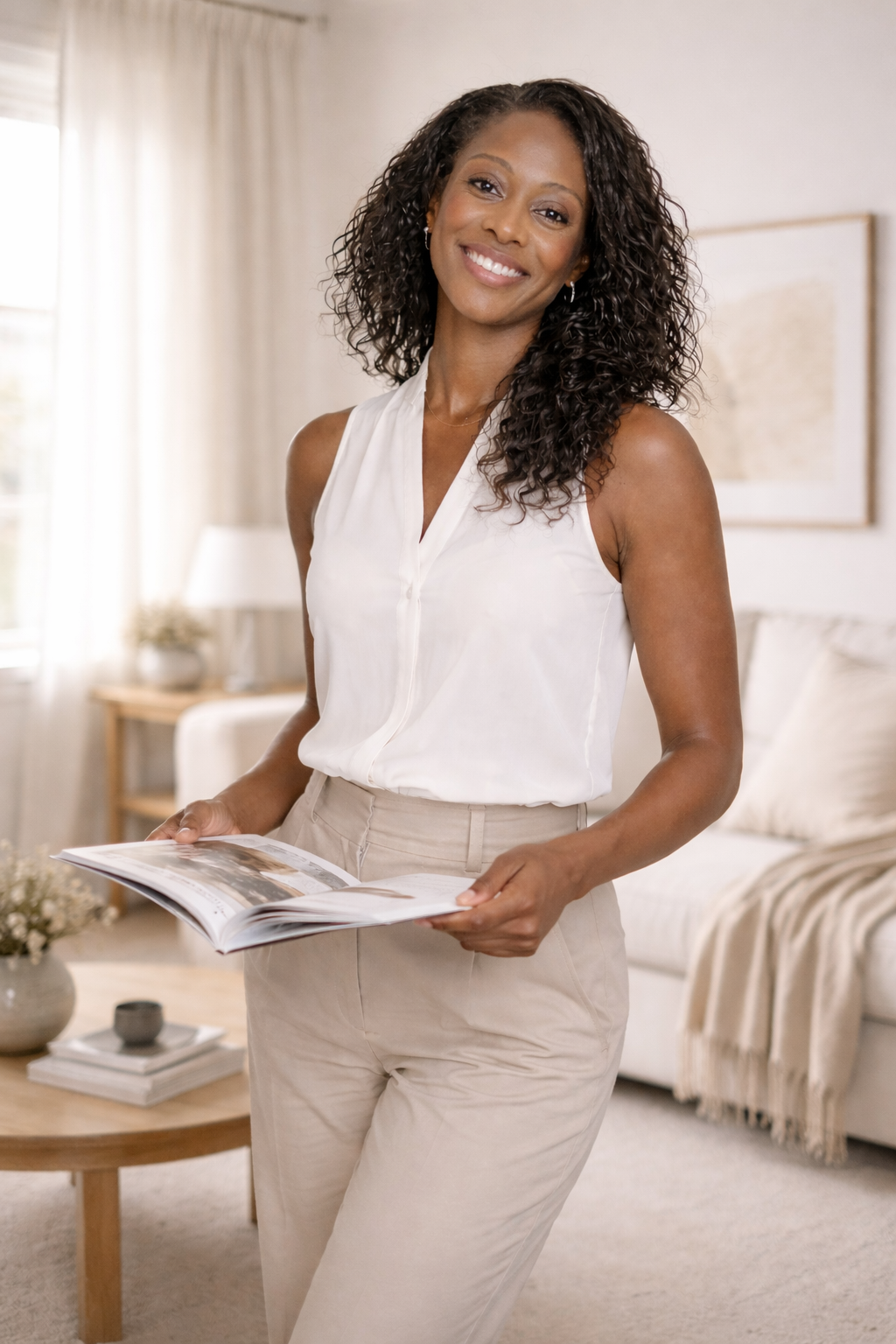
Design is often treated like a final layer — something added once life is already figured out. For me, it’s the opposite. Design should support how people actually live, move, rest, work, and function every day. A space can be beautiful, but if it doesn’t work for real life, it will never truly feel good to be in.
My approach to design starts with people, not trends.
Over the years, I’ve learned that homes, events, and even travel experiences need structure just as much as they need style. A well-designed space should make daily routines easier, reduce stress, and create a sense of balance. That means paying attention to flow, function, and how a space is used — not just how it photographs.
I design for real families, real schedules, real bodies, and real lives.
That might mean creating a living room that supports rest and conversation instead of just visual impact. It might mean designing an event layout that allows people to move comfortably and feel included. Or it might mean planning travel experiences that feel intentional instead of exhausting. Design should serve the person inside the space, not the other way around.
At Livable Designs, I focus on creating environments that feel lived in, thoughtful, and supportive. I don’t believe in one-size-fits-all solutions or chasing every trend. I believe in understanding how someone lives and designing around that truth.
Good design isn’t about perfection.
It’s about alignment.
When design works for real life, everything else begins to flow.